Reasons Supporting a Motion to Vacate
- Capital felonies are capital murder offenses (murders with certain aggravating circumstances).
- First-degree felonies include murder, human trafficking resulting in death or when the person is under eighteen, aggravated kidnapping, aggravated assault, and continuous sexual abuse of a child.
- Second-degree felonies include murder, manslaughter, sexual assault, and burglary.
- Third-degree felonies include kidnapping, smuggling of persons, and terroristic threats.
- Other offenses may be charged as felonies, but those felonies are considered state jail felonies.
To see how the three-strike rule works, you need to take the felony convictions one at a time.
To explore legal representation options for a Writ of Habeas Corpus, visit SPCRC's Recommended New York Lawyers.
- Reasons Supporting a Motion to Vacate
- Procedural Consideration in Determining a Motion to Vacate a Conviction
- Relation Between a Motion to Vacate and a Direct Appeal
- When the Court Grants the Motion to Vacate
Procedural Consideration in Determining a Motion to Vacate a Conviction
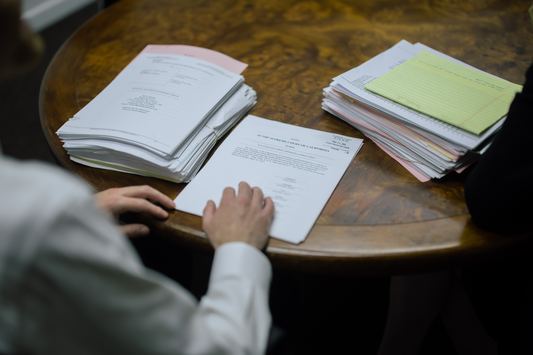
Special procedures apply to filing a motion to vacate a conviction or judgment in the trial court. As to the time limits for filing, New York Criminal Procedure Law states that a motion to vacate a judgment may be filed at any time following judgment.
However, if the defendant needs property in the control of the prosecutor to prove his or her case for vacating the judgment, the motion to vacate must be filed within five years of the judgment, or, if the defendant is in custody following the conviction, ten years. After that period, the defendant may not file a motion that relies upon such property for proof unless the defendant shows that (1) he or she has been diligently pursuing his or her rights and some extraordinary circumstance prevented him or her from filing the motion within the periods of limitations; (b) the facts upon which the motion is made were unknown and could not have been, with reasonable diligence, known to defendant; or (c) the interests of justice would be served in considering the motion.
The motion to vacate must be made in writing and must raise every reason known to the defendant that supports vacating the conviction. The defendant may submit documents and sworn allegations of facts supporting the motion. The court has discretion on whether to consider a motion to vacate. If the court exercises its discretion to consider the motion, it can decide the motion on the pleadings or hold an evidentiary hearing.
- The defendant unjustifiably failed to raise the issue that is the subject of the motion on the record prior to sentencing if the issue could have, with due diligence by the defendant, been raised on the record;
- The issue raised in the motion was already determined on the merits in a prior motion or proceeding by the trial court or a federal court, unless a retroactive change in the controlling law occurred;
- The defendant could have but failed to raise the issue in a previous motion to vacate;
- The basis for the motion to vacate was already determined on the merits after appeal of the conviction, unless a retroactive change in the controlling law has occurred since the appellate decision.
However, even if the above circumstances occur, the court may, in the interest of justice and for good cause shown, exercise its discretion to grant the motion if it is otherwise meritorious.
The court must grant the motion if the defendant alleges a constitutional violation and the violation is supported by sworn allegations that are conceded by the prosecutor or conclusively substantiated by documentary evidence.
Otherwise, whether to order an evidentiary hearing on the motion is up to the court. If the court orders a hearing, the defendant must show by a preponderance of the evidence every fact essential to proving the allegations in the motion.
Whether the court grants or denies a motion to vacate, it must make findings of facts and conclusions of law and state the reasons for its determination.
- Reasons Supporting a Motion to Vacate
- Procedural Consideration in Determining a Motion to Vacate a Conviction
- Relation Between a Motion to Vacate and a Direct Appeal
- When the Court Grants the Motion to Vacate
Relation Between a Motion to Vacate and a Direct Appeal
A motion to vacate is not an appeal and does not take the place of an appeal. The motion does not toll the time for appeal. Ordinarily, the issues raised by a motion to vacate are supported by evidence outside of the record. An appellate court is limited to the record of the trial to determine the appeal, whereas a trial court ruling on a motion to vacate may hold an evidentiary hearing and accept new evidence in support of the motion.
- Reasons Supporting a Motion to Vacate
- Procedural Consideration in Determining a Motion to Vacate a Conviction
- Relation Between a Motion to Vacate and a Direct Appeal
- When the Court Grants the Motion to Vacate
When the Court Grants the Motion to Vacate
If the court grants the motion, it must dismiss the accusatory instrument, order a new trial, and take whatever other action it deems appropriate in the circumstances. However, if the motion is granted on the basis of newly discovered evidence, the court may either (1) vacate the judgment and order a new trial, or (2) with the consent of the prosecutor, reduce the judgment to a conviction for a lesser offense and modify the sentence accordingly.
When the Court Denies the Motion to Vacate

If the trial court denies the motion to vacate, the defendant may make a direct appeal of the denial. However, since whether to grant a motion is within the discretion of the court, such appeals are generally unsuccessful.
Experienced appellate attorneys approach each case with determination and thorough legal analysis. To explore legal representation options for a Texas or Federal Writ of Habeas Corpus, visit SPCRC's Recommended Texas Lawyers.